Cheap Business Moves in Hounslow: Office Removal Services
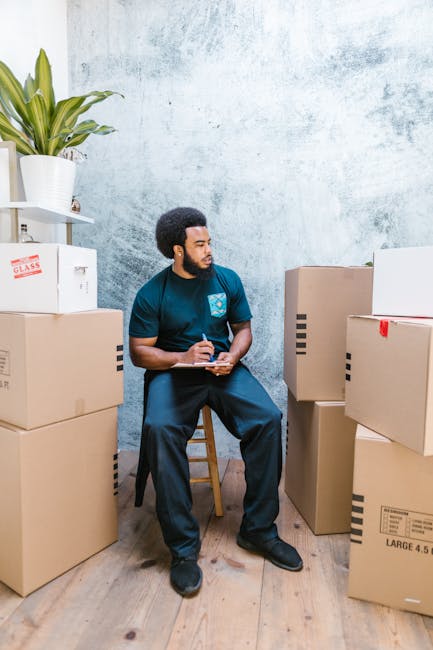
If you are planning a workspace move, the pressure is usually the same: keep costs sensible, keep downtime low, and avoid the kind of chaos that leaves boxes in the corridor for three days. Cheap Business Moves in Hounslow: Office Removal Services is really about finding a move that is efficient, organised, and budget-aware without turning your business day upside down.
That balance matters more than most people expect. A "cheap" office move should never mean rushed handling, missing labels, broken equipment, or staff wasting hours trying to find the printer cable. In practice, the best low-cost moves are the ones that are planned properly, matched to the right vehicle and team size, and supported by clear communication. This guide walks you through how office removal services work in Hounslow, what to look for, what to avoid, and how to make the move feel much less painful than it sounds.
Why Cheap Business Moves in Hounslow: Office Removal Services Matters
Office moves are rarely just about moving desks. They affect phones, laptops, chairs, filing, networking gear, signage, stock, and the people who need everything to work again on Monday morning. In a busy part of West London like Hounslow, where access can be tight and parking can be a bit of a headache, the move itself can become the expensive part if it is not handled carefully.
The word "cheap" often gets misunderstood. A cheap move is not the same as a careless move. The goal is to reduce unnecessary spending: too many trips, too much idle labour, oversized vehicles, and last-minute panic purchases. Truth be told, that is where the real money disappears. A properly planned office relocation service helps you avoid paying for confusion.
For small firms, startups, agencies, consultants, trades offices, and local branches, cost control is often the main concern. But even larger teams feel the strain. Every hour spent unpacking or looking for equipment is an hour not billed, not served, and not productive. That is why office removals are a business decision as much as a logistics decision.
If your move is part of a wider commercial relocation, it can be helpful to look at related support such as commercial moves support and office relocation services, especially when you need a more structured approach than a simple van-and-box run.
One small but useful point: the cheapest quote is not always the cheapest outcome. If the team arrives under-prepared, or the vehicle is too small, you may end up paying twice. Not ideal. Not even close.
How Cheap Business Moves in Hounslow: Office Removal Services Works
A good office removal service usually starts with a simple assessment. What needs moving? How much of it is fragile or awkward? Are there stairs, lifts, loading restrictions, or narrow access points? The better the answers, the smoother the job. In many cases, a provider can estimate the time, crew size, and vehicle type from a detailed inventory or a short site review.
For a low-cost move, the main objective is to match the job properly. That means avoiding excess labour and choosing the right transport. Sometimes a compact vehicle and a smaller team are enough. Other times, a larger moving truck is the sensible option because it reduces multiple journeys and keeps the whole move contained within a tighter window. If that sounds familiar, it is because it usually is.
Typical office removal services may include:
- packing office items into labelled boxes
- disassembling and reassembling basic furniture
- careful loading and transport
- moving IT equipment and office peripherals
- delivery to the new site in a planned order
- unpacking or placement support where needed
Some businesses prefer a lighter service model, using a man and van or man with van arrangement for smaller loads. Others want a full service with packing and unpacking, which can save a surprising amount of staff time. If the office is larger, a dedicated removal truck hire option may make more sense than piecemeal transport.
In practice, cheap business moves work best when the packing stage is done well. A box that is labelled clearly, sealed properly, and packed by function saves more time than people realise. It is one of those little things that feels boring at the start and brilliant at the end.
Key Benefits and Practical Advantages
A budget-conscious office move offers more than just a lower bill. When it is organised properly, the benefits reach into operations, staff morale, and even customer service.
- Lower direct moving costs: less wasted labour, fewer unnecessary trips, and better vehicle planning.
- Reduced downtime: faster setup means staff can get back to work sooner.
- Better control over packing: clear labelling reduces lost items and opening every box just to find one cable.
- Less disruption to clients: smoother scheduling helps you stay responsive during the move.
- Scalable support: you can choose a lighter or fuller service depending on the size of the job.
There is also a practical emotional benefit that people do not always mention. A well-run move lowers stress. You feel it on the day: fewer people wandering around asking where the tape is, fewer "has anyone seen the monitor stand?" moments, fewer little crises. Let's face it, office moves can become strangely personal when everyone is tired.
Another advantage is flexibility. If your team is moving a small office, a satellite workspace, a showroom office, or a home-based business that has outgrown the spare room, you can tailor the service to fit. That may include help with packing and unpacking, or simply transport and placement. You do not have to buy more service than you need.
For businesses also clearing old furniture, it can be useful to combine the move with furniture pick-up so unwanted items do not travel to the new site by accident. That sounds obvious, but people do it all the time. One extra chair becomes three, then suddenly the new office has inherited six things nobody wanted.
Who This Is For and When It Makes Sense
Cheap office removals in Hounslow make sense for a wide range of businesses, but they are especially useful when the move is moderate in scale and timing matters. If you are not relocating a huge floor of corporate fit-out furniture, you may not need a large, complex relocation programme. You need something practical, priced fairly, and executed without drama.
This approach is a strong fit for:
- small offices moving to a nearby unit
- startups relocating into shared workspace or serviced offices
- professional practices with desks, files, and a few key items of IT
- e-commerce or admin teams with stock, packaging, and office furniture
- local retailers moving back-office equipment
- businesses downsizing and only taking the essentials
It also makes sense when the move must happen quickly. For example, if you have a lease deadline, a weekend window, or a short gap between tenancies, a leaner removal plan can help you get the timing under control. Sometimes the priority is not perfection. It is "get it done safely and within budget." Fair enough.
If your team also needs domestic-style moving support for staff equipment or a hybrid move involving home office contents, related services like home moves and house removalists may help you understand how different types of moving support are structured.
And if you are genuinely unsure which service level fits your job, that is completely normal. Small office relocations often sit somewhere between a traditional business move and a simple van hire job.
Step-by-Step Guidance
Here is a practical way to organise a low-cost office move without letting the process get messy.
- List everything that is moving. Walk through each room and note desks, chairs, monitors, filing, printer units, archive boxes, and anything fragile.
- Separate what stays, what goes, and what can be discarded. The less clutter you move, the cheaper and easier the job becomes.
- Measure access points. Check lifts, stairwells, door widths, loading bays, and parking restrictions. In a place like Hounslow, access can make a bigger difference than people expect.
- Choose the right transport. A small load may suit a van, while larger offices may need a moving truck to keep everything within one trip.
- Pack by function or department. For example, label boxes by team, floor, or room, not just "miscellaneous." Miscellaneous is where productivity goes to hide.
- Protect breakables and IT gear. Use proper padding, cable ties, and sturdy cartons. Screens and towers need a bit of care, not a toss-in-the-back approach.
- Plan the sequence at the new site. Decide where desks, reception items, storage, and core equipment should land first.
- Build in a small time buffer. Even a well-run move benefits from breathing room. Something always takes longer than expected.
A good moving team will guide you through this, but being prepared on your side is what keeps the price down. The fewer surprises at the loading point, the smoother the quote and the tighter the schedule.
If you want packing support as part of the move, it is worth looking at packing and unpacking services. For many offices, that one decision can save more time than trying to do it in-house at lunchtime while everyone else is pretending not to hear the packing tape.
Expert Tips for Better Results
There are a few practical habits that consistently make office moves cheaper and calmer. Nothing flashy. Just sensible, real-world stuff that saves time.
- Move less. Decluttering before the move is one of the easiest ways to cut the bill.
- Use colour coding. A coloured sticker on each department's boxes helps placement at the new office.
- Protect IT equipment separately. Computers, routers, and monitors should not be mixed in with stationery.
- Assign one decision-maker. Too many people issuing instructions slows everything down.
- Book the moving window carefully. Early starts or off-peak times can reduce disruption, especially if access is tight.
- Keep essentials in a separate kit. Kettle, chargers, keys, login details, and first-day paperwork should not disappear into a box mountain.
A small but useful trick: take quick phone photos of cable setups before unplugging anything. It takes seconds and saves a surprising amount of head-scratching later. A bit old-school, yes, but very effective.
Also, if your move includes bulky leftover items or a mix of office and residential contents, you may find that a flexible vehicle arrangement works better than overcommitting to one giant truck. That is where a moving truck can be useful for larger volumes, while lighter jobs may still work with a simpler setup.
Expert summary: The cheapest office move is usually the one that removes waste before the moving day even starts. Less clutter, better labels, fewer trips, and a clear plan make a bigger difference than most people expect.
Common Mistakes to Avoid
Office moves go wrong in predictable ways. The good news is that most of them are avoidable.
- Choosing only by price. A bargain quote can become expensive if the provider is under-equipped.
- Underestimating the amount to move. A "small office" often turns out to be more than two van loads.
- Poor labelling. If boxes are not labelled clearly, unpacking becomes guesswork.
- Leaving decluttering until the last minute. That turns the move into a sorting exercise, which slows everything down.
- Ignoring parking or access. A crew waiting outside because no one can load safely is money literally evaporating.
- Forgetting essential tools and cables. The move may be complete, but work does not restart until everything connects properly.
There is also the temptation to pack "just enough" and hope the rest sorts itself out. It rarely does. To be fair, we have all had a drawer that was meant to be temporary and somehow became permanent. Office life is like that sometimes.
Another common issue is mixing disposal with relocation. If some old chairs, tables, or broken units should not move with you, separate them early. Otherwise they get carried across town and then have to come back again. Not efficient. Not cheap.
Tools, Resources and Recommendations
You do not need fancy tools to run a smooth move, but a few simple resources make a big difference.
- Inventory list: the foundation of the whole job
- Box labels and colour stickers: for faster placement and unpacking
- Basic hand tools: useful for desks, shelving, and minor disassembly
- Protective wraps and padded covers: especially for screens, glass, and awkward furniture
- Cable ties and zip bags: ideal for keeping parts and screws together
- Floor plans or layout notes: even a rough sketch helps the team place items correctly
If you need help deciding whether to keep, move, or remove old items, think in three buckets: must keep, maybe keep, and definitely no. That simple sort can save an extraordinary amount of time. Sometimes the most useful moving tool is just a clear decision.
For businesses upgrading or clearing out furniture, it may also be worth pairing the move with a removal solution such as furniture pick-up. That keeps the new office cleaner from day one and avoids paying to transport items you already know you do not want.
If you are comparing services or checking how a provider presents itself, a quick read of the company's about us page can be useful too. It gives you a feel for how they work, what kind of jobs they focus on, and whether the tone feels reliable.
Law, Compliance, Standards, or Best Practice
Office removals are not usually complicated from a legal point of view, but there are still sensible standards to follow. Businesses should think carefully about data security, safe handling, access arrangements, and the transport of any sensitive materials. That includes files, devices, client records, and anything that should not be left visible or unsecured.
Good practice also means thinking about health and safety during the move. Heavy lifting, narrow hallways, wet pavements, and awkward stairs can all create problems. A reputable removal team should use sensible manual handling methods and work in a way that reduces risk to staff and property. In an office setting, that matters more than it sounds like it should.
If your business handles confidential paperwork or equipment, you should also make your own internal checks before the move. Lock cabinets properly, separate sensitive items, and decide who has access to what during transit. This is not about drama. It is just basic good practice.
Finally, if the move involves shared buildings, loading bays, or managed premises, it is wise to check building rules in advance. Some sites have time windows, lift bookings, or protective floor requirements. Those little rules are the sort of thing that can throw off a cheap move if nobody remembers them until the day.
Options, Methods, or Comparison Table
There is no single best way to move an office. The right method depends on size, budget, timing, and how much help you want with packing and setup.
| Option | Best for | What it usually saves | Trade-off |
|---|---|---|---|
| Man and van | Small offices or light equipment | Lower transport cost | May need more trips for larger loads |
| Man with van | Compact moves with some loading help | Flexible, simple support | Not always ideal for bulky office furniture |
| Moving truck hire | Medium to larger office contents | Fewer journeys, better capacity | Can be more than you need for very small jobs |
| Full office relocation service | Moves needing packing, unloading, and setup help | Time and admin savings | Higher overall service level, though often better value in practice |
For many Hounslow businesses, the sweet spot is a hybrid approach. You might use transport-only support for the heavy items and add packing help for the more fiddly equipment. That is often where the value sits. Not always the flashiest option, but usually the most sensible one.
If you are moving a small amount of business stock or a lightweight workspace setup, a man and van arrangement can be a practical choice. If the load is heavier or you want more structured handling, a dedicated office relocation services option may be the better fit.
Case Study or Real-World Example
Picture a small consultancy in Hounslow moving from a shared office into a slightly larger unit nearby. Nothing huge. Four desks, six chairs, one printer, a filing cabinet, several box files, a few monitors, and a pile of "we should probably keep this" cables.
They could have treated it as a rushed weekend job, but instead they spent an hour decluttering on Friday afternoon. Old stationery went out. Duplicate files were archived. One broken chair was removed rather than moved. That alone made the load lighter. The team then labelled each box by destination room and kept the IT kit separate.
On moving day, the process was calm. The crew knew what was going first, the van was the right size, and the new office had a simple placement plan. There was still a bit of the usual noise - cardboard shifting, tape tearing, someone asking where the kettle was - but the move finished without the kind of surprise costs that often appear when a job is not planned. The business was back up the same day, and nobody had to spend the next week living among half-open boxes.
That is the real lesson here. Cheap does not mean rushed. It means tidy decisions made early.
Practical Checklist
Use this checklist before your office move. It keeps the job focused and helps avoid those last-minute "oh no" moments.
- Confirm the move date and access times
- List all items to be moved
- Declutter old furniture and unused equipment
- Book the correct vehicle size
- Arrange packing materials in advance
- Label boxes by team, room, or priority
- Back up key digital files before the move
- Separate confidential documents
- Measure lifts, stairs, doors, and loading access
- Plan the layout of the new office
- Set aside essentials for day one
- Confirm any disposal or furniture removal needs
If you want the move to feel genuinely easier, this section matters more than the shiny marketing language. Simple things done early. That is the trick.
And if you need broader support beyond a straight office move, you can also explore home moves for hybrid working setups or contact us when you are ready to discuss the details directly.
Get a free quote today and see how much you can save.
Conclusion
Cheap business moves in Hounslow are not about cutting corners. They are about cutting waste. When the job is planned properly, the right vehicle is chosen, and the packing is handled with care, office removals become far more manageable than people expect.
For most businesses, the smart approach is simple: reduce what you move, choose the right service level, protect the essentials, and keep the process tidy from the start. That is how you keep costs down without creating extra headaches later. It is a very unglamorous formula, but it works.
If you are moving soon, give yourself a little more planning time than you think you need. Future-you will be grateful, probably with coffee in hand and no missing monitor leads to chase down.
Frequently Asked Questions
What counts as a cheap office move in Hounslow?
A cheap office move is one that is cost-efficient rather than rushed or cut-rate. It usually means you have matched the vehicle, crew, and packing support to the actual size of the job, so you are not paying for unnecessary labour or repeat trips.
Is a man and van service enough for an office move?
Sometimes, yes. A small office with light furniture and a modest number of boxes may fit comfortably into a man and van setup. If you have heavier furniture, multiple workstations, or bulky equipment, a larger vehicle or a fuller office removal service may be better.
How can I keep office moving costs down?
Declutter before moving day, label everything clearly, separate items that are not going, and choose a service that fits the job size. The biggest savings often come from removing waste and avoiding unnecessary handling.
Should I pack office IT equipment myself?
You can, but it should be done carefully. Screens, towers, routers, and accessories need protection and clear labelling. If you want to reduce risk and save time, using packing and unpacking support can make sense.
What is the difference between office relocation services and commercial moves?
Office relocation services usually focus on desks, equipment, files, and business workspaces, while commercial moves can be broader and may include stock, furniture, or different business premises. There is overlap, but the service style can vary depending on the job.
Can I move office furniture and throw away old items at the same time?
Yes, but it is best to separate what is being relocated from what is being removed. If you mix the two, you may end up paying to transport items you no longer need. Clearing out old furniture first is usually the cleaner option.
How far in advance should I arrange an office move?
As early as you can, especially if you need a specific date or limited access window. Even smaller office moves benefit from early planning because packing, access checks, and vehicle choice all affect the final cost and schedule.
Do I need packing and unpacking services for a small office?
Not always. Some small teams are happy to pack their own boxes. But if your staff need to stay focused on work, or if the move includes fragile or time-sensitive equipment, packing support can be good value.
What should I do with confidential documents during the move?
Keep them separate, secure, and controlled by one responsible person. Boxes containing sensitive paperwork should not be left open or mixed with general office items. Good handling here is basic best practice.
Will a larger moving truck always be cheaper?
Not always, but it can be more cost-efficient if it reduces the number of journeys or avoids overloading a smaller van. The cheapest option depends on total time, loading efficiency, and how much there is to move.
Can office moves happen outside normal working hours?
Yes, many businesses prefer evenings or weekends to reduce disruption. That can help operations continue with less downtime, though availability and pricing may vary depending on timing.
How do I know whether I need full relocation support or just transport?
Look at the amount of packing, dismantling, lifting, and setup involved. If the move is simple and light, transport-only may be enough. If you need help managing the whole process, a fuller service is usually the safer and more efficient choice.
For businesses in Hounslow, the best move is usually the one that feels calm on the day and sensible on the invoice. That is the real win, honestly.