Hounslow West station movers insider tips for commuter moves
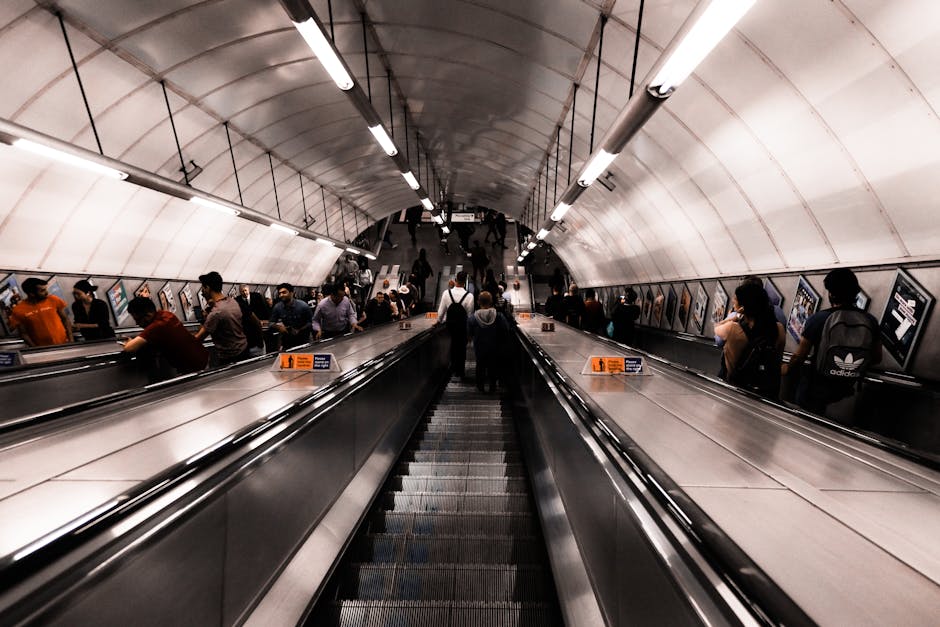
If you are trying to move near Hounslow West station and still keep life moving on Monday morning, you already know the tricky bit: commuter moves have no patience for chaos. Trains, buses, parking, key handovers, lift access, and that one box you swear you packed but cannot find. This guide pulls together Hounslow West station movers insider tips for commuter moves so you can plan a move that fits around work, not the other way round.
Whether you are shifting from a nearby flat, moving into a starter home, or relocating a small office close to the station, the real win is the same: keep the disruption small, the timing tight, and the last-minute panic to a minimum. Let's make it easier. Not perfect. Easier.
Why Hounslow West station movers insider tips for commuter moves Matters
Moving around Hounslow West is not the same as moving from a quiet suburban street with endless kerb space. Station areas are busier, parking is tighter, foot traffic is heavier, and timing matters more than most people expect. If you are leaving for work at 7:30 a.m. and the removal crew is still hunting for a loading spot, the whole day starts to unravel. Simple as that.
That is why local knowledge matters. A mover who understands commuter-style moves will think about access routes, resident permits, narrow pavements, lift availability, rush-hour pressure, and how to sequence loading so you are not boxed in by the school run or the evening traffic build-up. In our experience, the difference between a calm move and a stressful one is often just a few smart decisions made the week before.
There is also a practical money angle. If you need fewer hours on site, a better parking plan, or a smaller vehicle because access is awkward, you may avoid unnecessary cost and wasted labour time. And let's face it, nobody wants to pay for movers to stand around while someone runs back upstairs for the kettle or the TV charger.
How Hounslow West station movers insider tips for commuter moves Works
The basic idea is to design the move around the commuter timetable, not around the idealised version of moving day that never survives first contact with reality. That means treating your day like a sequence of small, controlled stages rather than one giant lift-and-load event.
A good commuter move near Hounslow West usually works in this order:
- Pre-check the access. Confirm where the vehicle can park, whether there are restrictions, and how far items must be carried.
- Stage the essentials. Keep work clothes, chargers, medication, and next-day items separate and easy to reach.
- Load in priority order. Put what you need last at the back of the van only if you truly will not need it first at the new place.
- Time the travel carefully. Avoid the busiest windows if you can, especially if the route crosses busy local roads or station-adjacent streets.
- Unpack the commuter kit first. Make sure tomorrow's essentials are ready before anything decorative or bulky.
That sounds obvious, but people miss it all the time. They pack by room, not by function. Then they spend their first night in the new place searching for a laptop cable or clean socks like it is some sort of grim treasure hunt.
Local removal teams often bring a better rhythm to these moves because they know how to work around shared entrances, tight stairwells, and the awkward time gaps between morning departures and evening returns. If you are comparing services, you might want to look at flexible options like man and van support for smaller commuter moves or home moving services when a full-scale operation is not really necessary.
Key Benefits and Practical Advantages
The biggest benefit is control. A commuter move done well gives you breathing room, and breathing room is gold when your workday starts early and ends late. Instead of spending days surrounded by half-packed boxes, you can keep the move tight, focused, and far less disruptive.
Here are the advantages people usually notice first:
- Less time off work. A sharper move plan means fewer lost hours and less disruption to the working week.
- Better arrival-day energy. If the essentials are packed smartly, you are not exhausted before the first evening in the new home.
- Lower access stress. Good planning reduces the chance of awkward loading delays near the station.
- Cleaner handovers. Key collection, checkout, and entry timing become easier to manage.
- Fewer breakages. Smaller, better-organised loads are usually safer than a rushed, overloaded van.
There is another benefit people do not always think about: mood. A move that fits around your commute feels calmer. You are less likely to snap at someone over a box label or forget the gas meter reading because your head is not scrambled. That counts for a lot.
Expert summary: The best commuter moves are not necessarily the cheapest or the fastest on paper. They are the ones that reduce friction at the exact points where real life tends to go a bit sideways: parking, timing, access, and next-day essentials.
Who This Is For and When It Makes Sense
This approach suits more people than you might think. It is not only for professionals sprinting to the City or Heathrow-bound shift workers. It helps anyone whose day is built around a fixed start time, a fixed route, or limited flexibility.
It makes particular sense if you are:
- moving from a flat near Hounslow West station
- starting a new role and need to be settled quickly
- relocating with limited annual leave
- moving in or out of a property with awkward access
- downsizing and want the move done in one clean push
- balancing family logistics with a tight work schedule
It also suits landlords, employers, and small business owners who need a smooth handover. For example, if you are relocating equipment or a compact office setup, the same commuter-style discipline helps. You can explore office relocation services if your move is business-related and time-sensitive.
To be fair, not every move needs this level of orchestration. If you have days to spare and the property is empty, you can breathe a bit more. But once there is a job start date, a school run, or a key return deadline in the mix, commuter logic becomes the sensible choice.
Step-by-Step Guidance
Here is the practical part. Use this as a working plan rather than a perfect formula. Every property is different, but the structure holds up well.
1. Start with access, not packing
Before a single box is taped shut, check where the van can legally stop, whether there are restrictions, and how far the carry is from street to front door. Around station areas, that matters a lot. Even an extra minute per box adds up fast.
If you are unsure about parking and permits, this is worth reading before moving day: Hounslow parking and moving permit guidance. It can save you from a very annoying surprise on the morning itself.
2. Build a commuter-first inventory
Make a separate list for items that support work and daily life. Think laptop, charger, headset, work shoes, ID, medication, wash bag, bedding, and one decent change of clothes. Pack that list so it is reachable first at the destination. Not buried under ten boxes of books. Please, not books.
3. Declutter before the move
You do not want to transport things you have not used in years. Pre-move decluttering is one of the easiest ways to cut cost and reduce load time. A lighter move also feels psychologically easier. Less stuff, less tension.
If you want a deeper reset before you go, this practical piece on pre-move decluttering is useful and, frankly, a bit of a sanity saver.
4. Choose the right vehicle and crew size
For a one-bed flat, a small van or man-and-van arrangement may be perfect. For larger homes, awkward furniture, or lots of fragile items, a bigger vehicle and more hands may be smarter. The wrong vehicle creates two problems: too many trips or not enough room for safe loading. Neither is fun.
You can compare options like man with van, moving truck, and removal truck hire depending on the scale of the move.
5. Pack by priority, not just by room
This is the bit that changes everything. Put your essentials together in clearly marked bags or boxes. Then group the rest by room and fragility. A working system matters more than a Pinterest-perfect one. Truth be told, nobody at 8 p.m. cares if the labels are colour-coded, as long as the Wi-Fi router can be found.
6. Schedule with the commute in mind
A move that starts too late can clash with peak-hour traffic, school pick-ups, or your own evening return. If possible, aim for a time window that gives you a bit of slack. A 15-minute buffer can feel like a miracle when one awkward sofa leg refuses to cooperate.
7. Finish with a first-night setup
Before the day ends, set up sleep, wash, and work basics. Bed, towels, chargers, kettle, and whatever helps you start the next morning with less friction. You do not need full unpacked perfection. Just enough structure to make the new place feel usable.
Expert Tips for Better Results
These are the small things that tend to separate a decent move from a very good one.
- Use one "do not load" zone. Keep items that stay with you in one corner or one bag. If it is in the zone, it does not go in the van.
- Photograph cable setups. Take quick photos of TV, router, desk, and monitor connections before you unplug anything.
- Keep one toolkit handy. Tape, scissors, Allen keys, bin bags, and a torch can make the first night far less annoying.
- Protect the morning routine. If you commute early, pack the next day's essentials like you are preparing for a work trip.
- Ask about stair and lift access in advance. This matters especially in blocks and converted buildings near busy routes.
- Use soft items as filler. Towels, bedding, and clothing can cushion fragile items and reduce wasted space.
One small but useful trick: keep tea, milk, a mug, and a spoon together. Sounds trivial. It is not. That first cup can feel like a morale rescue after a long day. A tiny domestic victory, if you like.
If your move includes awkward household items, it may also be worth reviewing specific handling advice such as moving beds and mattresses or handling narrow stairs in Hounslow flats. Those details can save a lot of strain.
Common Mistakes to Avoid
Most moving problems are not dramatic. They are small, cumulative mistakes that create a messy day. The good news? They are avoidable.
- Leaving packing too late. This is the classic one. Boxes arrive half-filled, labels disappear, and you end up stuffing random things into random bags.
- Ignoring parking and access. A perfectly packed home means very little if the van cannot stop nearby.
- Forgetting the next morning. People pack the house but not the first day of normal life. Then they are hunting for work clothes at dawn.
- Overloading boxes. Books, tools, and kitchenware get heavy quickly. Heavy boxes are slower, riskier, and more likely to split.
- Mixing storage with essentials. If some items are going into temporary storage, label them clearly so they do not vanish into the wrong pile.
- Choosing cheapest over suitable. A slightly better service can be worth it if access is tight or timing is sensitive.
The old "we'll figure it out on the day" approach sounds flexible until you are standing on the pavement with a sofa, two boxes, and a train due in twelve minutes. That is not flexibility. That is stress with wheels.
Tools, Resources and Recommendations
You do not need a mountain of equipment, but a few basic tools make commuter moves much smoother.
| Tool or resource | Why it helps | Best use |
|---|---|---|
| Strong packing tape | Prevents box failure during fast loading | All boxes, especially books and kitchen items |
| Marker pens and labels | Speeds up unloading and room placement | Essentials, fragile items, storage boxes |
| Furniture blankets | Reduces scratches and knocks | Wardrobes, tables, appliances |
| Reusable bags | Keeps commuter essentials separate | First-night kit, work gear, toiletries |
| Basic toolkit | Helps with dismantling and reassembly | Beds, desks, shelves |
When you are comparing service types, think beyond price alone. If you need help with the packing side too, packing and unpacking services can take a lot of pressure off the final 24 hours. For smaller clearance jobs or unwanted items, furniture pick up may also be useful.
And if you are handling a move with a mix of personal and work-life items, the right plan can be the difference between "a long day" and "a complete ordeal." Slight exaggeration, maybe. But not by much.
Law, Compliance, Standards, or Best Practice
For local moves near Hounslow West station, the most relevant compliance issues are usually practical rather than legal in a dramatic sense. Still, they matter. Parking rules, loading restrictions, building access requirements, and insurance cover all shape what can happen on the day.
Here are the main best-practice areas to check:
- Parking and loading permissions. Make sure the vehicle can stop legally and safely.
- Building access rules. Some blocks require advance notice for lifts, fobs, or management approval.
- Insurance and liability. Ask what is covered if something gets damaged in transit or during handling.
- Health and safety. Heavy lifting should be planned sensibly, especially on stairs or in tight corridors.
- Data and privacy. If you are moving an office or home office, keep sensitive documents secure.
Good removal practice also means clear communication. Arrival time, access notes, item count, and any awkward furniture should be discussed early, not after the van has already arrived. If a company gives you vague answers, that is worth noticing.
For broader company information, you can also review the team background on about us and the practical terms on terms and conditions. It is not the glamorous bit of moving, but it is the bit that helps set expectations.
Options, Methods, or Comparison Table
If you are deciding how to move near Hounslow West, it helps to compare the common options side by side. Not every move needs the same setup.
| Option | Best for | Strengths | Trade-offs |
|---|---|---|---|
| Man and van | Small flats, lighter loads, flexible commuter moves | Simple, nimble, often quick to arrange | Less capacity for large or bulky jobs |
| Full home move | Family homes or larger properties | More manpower, better for big loads | May need more planning and time |
| Truck hire | Moves with large volume or many bulky items | Good capacity and fewer trips | Can feel oversized for smaller moves |
| Packing support | Busy professionals or time-poor households | Reduces stress and improves organisation | Extra service cost, though often worth it |
For most commuter-style relocations, the sweet spot is usually a flexible small-to-medium setup with good access planning. If you are moving from a compact flat and everything is boxed well, you may not need a full crew. But if stairs are awkward or the move involves fragile items, extra hands are not a luxury. They are practical.
Case Study or Real-World Example
Picture a typical weekday move near Hounslow West. A tenant is leaving a two-bedroom flat with a 9 a.m. work start the next day, and the new home is only a short distance away. On paper, that sounds straightforward. In reality, there are stairs, a narrow entrance, one sofa that barely fits through the landing, and a tight window for parking.
The move goes well because the team does three things right. First, the essentials bag is kept separate: laptop, chargers, work shirt, toiletries, and documents. Second, the larger furniture is loaded first so the van space is used properly. Third, the arrival plan includes a quick walkthrough so the bedroom and working area are set up before anything decorative comes out of boxes.
By early evening, the person can find what they need without tearing the place apart. The kettle works. The desk is usable. The next day does not begin with chaos. That is the real outcome you want. Not a magazine-perfect home, just a normal functioning life by morning.
If you are in a similar situation and want a wider view of local moving patterns, there is a useful related read on same-day versus booked moves in Hounslow. It helps you decide whether speed or scheduling control is the better fit.
Practical Checklist
Use this checklist in the final 48 hours before the move. It is deliberately practical, because that is what actually helps.
- Confirm the moving date, arrival window, and access instructions.
- Check parking or loading arrangements near Hounslow West station.
- Separate commuter essentials from the main load.
- Label fragile boxes clearly.
- Pack a first-night bag with clothes, toiletries, chargers, and medication.
- Take photos of electronics before disconnecting them.
- Dismantle bulky furniture only if needed and keep fixings together.
- Clear walkways and hallways before the crew arrives.
- Keep pets, children, and bystanders out of the main loading path.
- Do a final meter reading if relevant.
- Keep keys, ID, and documents close to hand.
- Walk through the property once more before leaving. One last look. It always catches something.
If you want broader house-moving support, you may also find house removalists useful for larger domestic moves and more structured relocation support.
Conclusion
Hounslow West station movers insider tips for commuter moves come down to one simple idea: reduce friction wherever you can. Plan access carefully, pack for the next day as well as the current one, choose the right size of move support, and keep your timing realistic. That is the difference between a move that drains you and a move that simply gets done.
The station area can be busy, the schedules can be unforgiving, and the last box always seems heavier than it should. But with the right approach, your move can feel controlled and, dare I say, almost ordinary. And ordinary is a lovely thing on moving day.
If you are ready to make the process easier, explore the moving options that fit your load, your timetable, and your commute, then take the next step with confidence.
Get a free quote today and see how much you can save.
Frequently Asked Questions
What makes a commuter move different from a normal house move?
A commuter move is planned around fixed work times, travel patterns, and often tighter windows for access or handover. The packing, timing, and unloading all need to support the next day's routine, not just the move itself.
How far in advance should I book movers near Hounslow West station?
As early as you reasonably can, especially if you need a specific day or time. If your move depends on parking access, lifts, or a narrow loading window, early booking gives you more control and fewer surprises.
Is a man and van service enough for a commuter move?
Often, yes, if the load is modest and access is straightforward. It is a strong option for flats, lighter household moves, and jobs where flexibility matters more than large vehicle capacity.
What should I pack separately for the first night?
Keep work clothes, chargers, toiletries, medicines, bedding, towels, basic kitchen items, and any documents you need quickly. If you commute the next morning, add your laptop, ID, and anything else you would normally carry for the day.
How do I avoid parking problems on moving day?
Check the local loading rules, think about where the van can legally stop, and confirm whether your building or street needs any permission or notice. It is worth doing this early, because parking issues can slow the entire move.
Should I pack by room or by item type?
A mix usually works best. Pack most boxes by room, but keep a separate commuter essentials set and any fragile or high-priority items clearly identified. That balance makes unpacking much easier.
Can movers help with packing as well as transport?
Yes, many moves go more smoothly when packing support is included. If time is tight or you are juggling work, packing and unpacking services can take a lot of pressure off the final day.
What if I need to move at short notice?
Short-notice moves can still work, but they need sharper prioritisation. Focus on essentials, confirm access, keep the load simple, and avoid trying to relocate every single item in one frantic pass.
How do I choose between a small van and a larger truck?
Think about volume, furniture size, access, and whether the move may require multiple trips. A small van suits lighter, faster jobs; a larger truck is better for bigger loads or when you want fewer journeys.
Are there risks with moving near a station area?
Yes, mainly access, parking, congestion, and timing pressure. None of these are dramatic on their own, but together they can create delays unless the move is planned carefully.
What is the best way to protect fragile items during a commuter move?
Use sturdy boxes, wrap items properly, fill empty spaces so things cannot shift, and keep fragile boxes separate from heavy ones. Good packing makes a bigger difference than people think.
Do I need to tell my building management before moving?
In many buildings, yes, especially if lifts, shared entrances, or time restrictions are involved. It is a small step that can prevent a lot of awkwardness on the day.
Moving near Hounslow West does not have to feel like a juggling act. With a clear plan, the right support, and a bit of local know-how, you can make the whole thing feel lighter, calmer, and more under control. That is the real insider tip, if we are being honest.